
Bitcoin Long-Term vs Short-Term Holding Strategy: Which Is Better?
- 31 Oct 2025

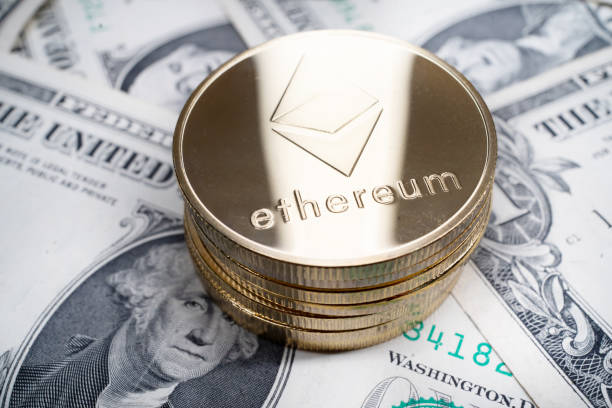
Ethereum is more than just a cryptocurrency — it’s the foundation of decentralized finance (DeFi), smart contracts, and the Web3 ecosystem.
For beginners in 2026, investing in Ethereum (ETH) is one of the most popular ways to participate in the future of digital assets.
But before you start buying ETH, it’s crucial to understand what it is, how it works, and how to invest wisely while minimizing risks.
This guide breaks down everything you need to know about investing in Ethereum — from the basics to advanced strategies — so you can make informed decisions as a new investor.
Ethereum was launched in 2015 by Vitalik Buterin as a blockchain platform designed to go beyond digital currency. Unlike Bitcoin, which is mainly a store of value, Ethereum allows developers to build decentralized applications (dApps) using smart contracts — self-executing agreements coded directly into the blockchain.
Ethereum’s native token, ETH, is used to pay for transactions and computational services on the network, making it both a currency and a utility token.
In short, Ethereum powers much of the crypto ecosystem — which makes it a top choice for both new and experienced investors.
Before you buy, it’s smart to grasp the basics:
Understanding these fundamentals helps you see why Ethereum has long-term potential.
The safest way to buy Ethereum is through a regulated crypto exchange. As of 2026, top options include:
When selecting a platform, check for:
Most platforms require you to:
Once verified, you can deposit funds — usually in USD, EUR, or your local currency — to start buying ETH.
After your account is funded, search for “Ethereum” or “ETH” and place your first order.
You’ll typically have three options:
Pro Tip:
Avoid investing your entire budget at once. Start small, spread out your buys, and watch market trends before scaling up.
After purchasing ETH, you must store it securely. You can keep it:
For long-term investors, hardware wallets are the best option to protect your funds from cyber threats.
Ethereum’s Proof-of-Stake model allows you to earn rewards by staking your ETH. You can:
Annual returns vary between 3%–6%, depending on network conditions — a great way to grow your holdings passively.
Crypto markets are dynamic. Stay informed about:
Use reputable news sources like CoinDesk, CoinTelegraph, and Messari for updates, and track ETH prices on CoinMarketCap or TradingView.
Even though Ethereum is one of the most established cryptocurrencies, prices can still be volatile.
To manage risk:
Building a balanced portfolio helps protect your investments during market downturns.
Ethereum continues to lead in smart contract innovation, DeFi, and NFTs. With increasing institutional adoption, ETH is expected to remain one of the top-performing digital assets in 2026.
Analysts predict Ethereum could benefit from Layer-2 scalability improvements and new real-world tokenization use cases — potentially driving long-term value growth.
However, always remember that crypto markets can fluctuate, and responsible investing is key.
Investing in Ethereum can be a rewarding experience if approached with knowledge and patience. As a beginner, start small, use trusted platforms, and focus on security. Over time, learning about staking, DeFi, and Ethereum’s ecosystem can help you unlock more opportunities.
Ethereum isn’t just another coin — it’s the foundation of the decentralized web. And for investors entering in 2026, it remains a powerful way to be part of the next financial revolution.
Start with an amount you’re comfortable losing. Many experts suggest starting with $50–$200 to learn the process before scaling up.
Ethereum is among the most secure blockchains, but all crypto investments carry risk. Use hardware wallets and reputable exchanges to stay safe.
Yes. You can stake through exchanges or staking pools with as little as 0.1 ETH, earning passive rewards.
Most platforms allow purchases for as little as $1–$10 worth of ETH, depending on the exchange.
Bitcoin is simpler, while Ethereum offers more utility through smart contracts and DeFi applications. Many beginners invest in both for diversification.