
Bitcoin Long-Term vs Short-Term Holding Strategy: Which Is Better?
- 31 Oct 2025
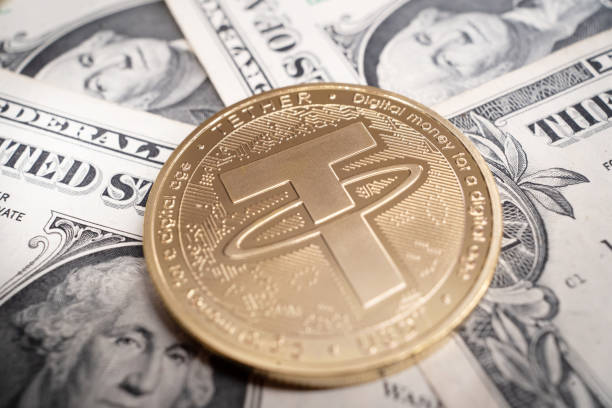
In the fast-evolving world of cryptocurrency, finding a Tether wallet with low fees and high security has become essential for traders, investors, and everyday users. Tether (USDT), one of the most popular stablecoins, offers the stability of fiat currency with the efficiency of blockchain technology. But storing and transacting Tether safely while keeping fees low requires the right wallet choice.
In this article, we’ll explore the best tether wallets, how they work, what features to look for, and how to keep your USDT secure—all while minimizing transaction costs.
A Tether wallet is a digital wallet that allows users to store, send, and receive USDT, a stablecoin pegged 1:1 to the US dollar. Depending on the blockchain network you use—Ethereum (ERC-20), Tron (TRC-20), or others—the wallet must support that particular chain.
There are three main types of Tether wallets:
When choosing a Tether wallet, two factors stand out: low transaction fees and strong security measures. Let’s break down why these matter.
Transaction fees vary depending on blockchain networks. For instance, Ethereum-based USDT (ERC-20) often has higher gas fees compared to Tron-based USDT (TRC-20).
Using a wallet that supports multiple networks allows you to choose the cheaper network, reducing costs dramatically.
Additionally, some wallets charge internal fees for swaps or withdrawals. A wallet with transparent, minimal fees ensures you retain more of your holdings.
Crypto wallets are frequent targets for hackers. To safeguard your Tether assets, your wallet should offer:
Combining low transaction costs with robust protection creates the ideal setup for stablecoin users in 2026.
Trust Wallet is one of the most popular mobile wallets supporting USDT across multiple chains (ERC-20, TRC-20, BEP-20).
Pros:
Trust Wallet is ideal for users who want to manage multiple assets, including Tether, in one place with minimal fees.
For users prioritizing top-tier security, Ledger offers hardware wallets that keep private keys offline.
Pros:
Cons:
Ledger wallets ensure that even if your computer or smartphone is compromised, your Tether remains safe.
If you frequently trade Tether, Binance Wallet (through the Binance app or web platform) is convenient.
Pros:
Cons:
While convenient, it’s best to withdraw long-term holdings to a personal non-custodial wallet for maximum safety.
Exodus combines ease of use with strong security features and desktop/mobile compatibility.
Pros:
Cons:
For users who value design, usability, and control, Exodus is a solid all-around Tether wallet.
OKX’s Web3 Wallet offers low-cost Tether transfers, especially over TRC-20 and Polygon networks.
Pros:
Cons:
OKX’s DeFi integration makes it perfect for users who want both security and functionality.
When selecting the best Tether wallet with low fees and high security, consider the following criteria:
Even with a secure wallet, your actions matter most in maintaining security. Follow these best practices:
By combining a trusted wallet with disciplined security habits, you can enjoy worry-free Tether management.
The safest options are hardware wallets like Ledger Nano X or Trezor Model T, as they keep private keys offline, protecting them from online threats.
The TRC-20 network (Tron) generally offers near-zero fees and fast transaction speeds, making it ideal for frequent transfers.
Yes. Trust Wallet supports Tether on multiple networks and charges no additional wallet fees beyond blockchain transaction costs.
Absolutely. In fact, diversifying your Tether across different wallets can enhance security and reduce risk in case one wallet is compromised.
Only download wallets from official sources, verify website URLs, and never share your seed phrase with anyone—even customer support representatives.
Choosing the right Tether wallet with low fees and high security ensures you get the best of both worlds—cost efficiency and peace of mind. Whether you prefer a mobile wallet like Trust Wallet, a hardware device like Ledger, or a DeFi-ready wallet like OKX, prioritize security, control, and transparent fee structures.
As Tether adoption continues to grow in 2026, being equipped with a secure and affordable wallet is your first step toward safer, smarter crypto management.